

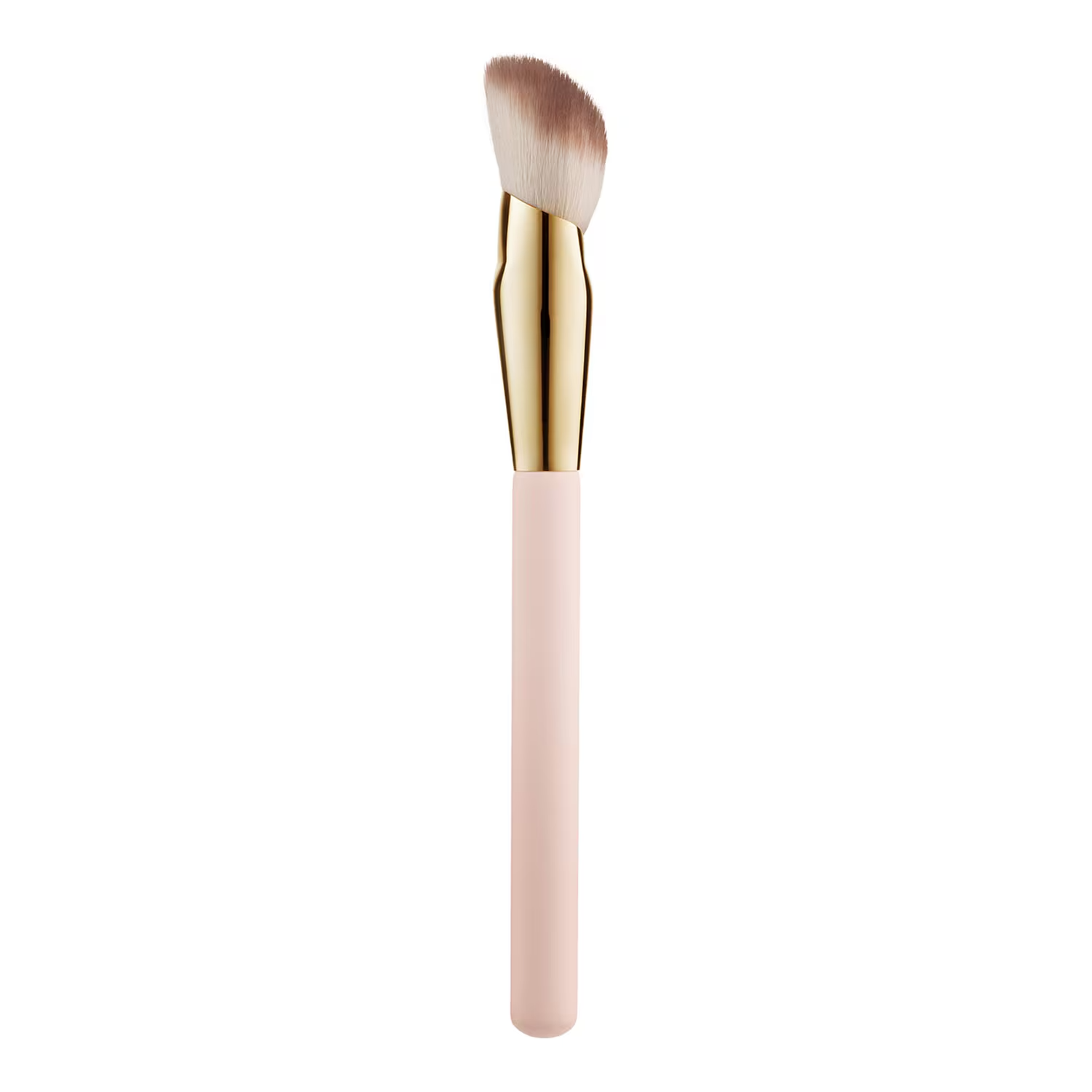
Blush is the fastest way to make a face look awake, but the format matters more than the shade. Here is how the four common types actually behave.
Cream blush
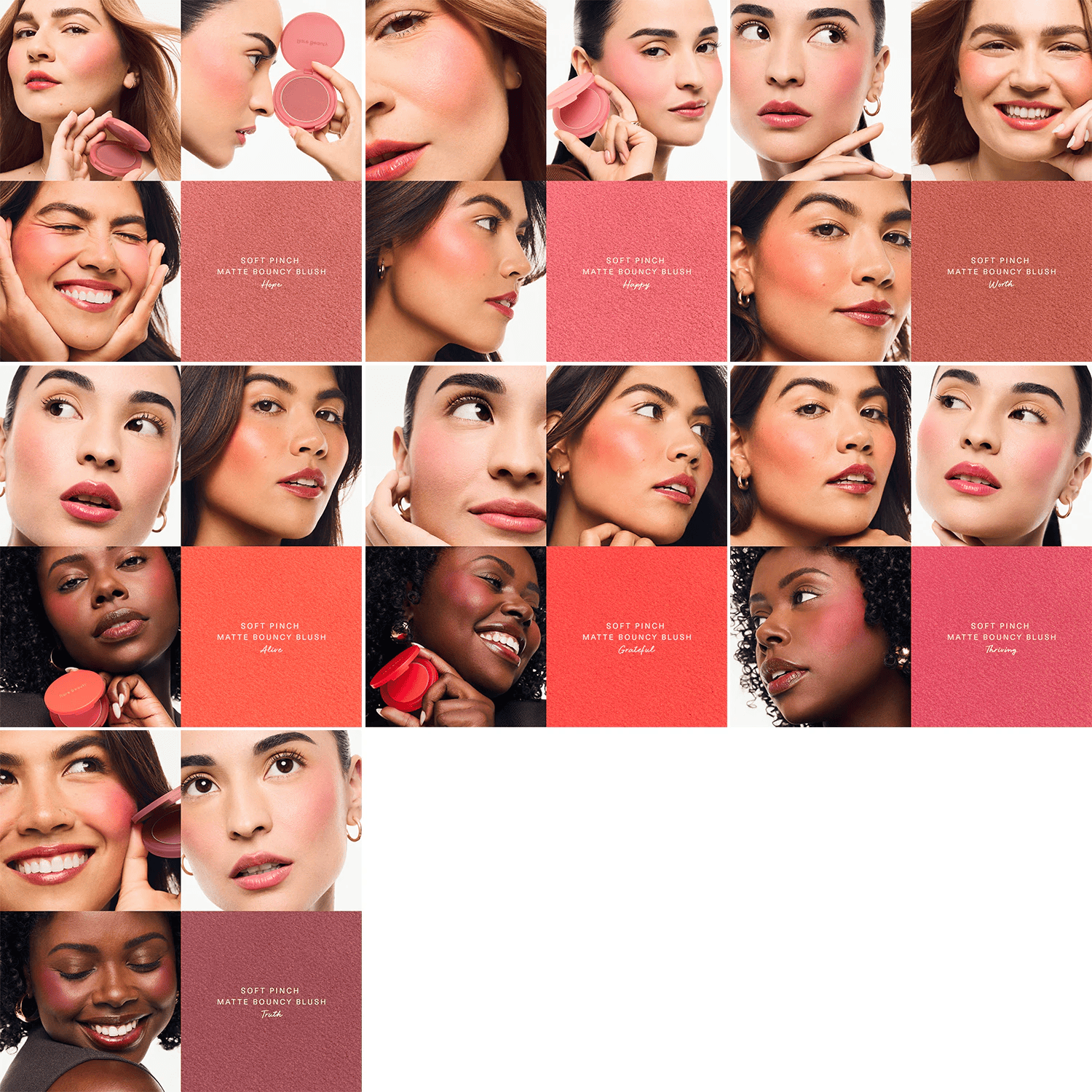
Cream formulas melt into the skin and leave a finish that reads like flushed skin rather than makeup. They suit dry and normal skin, and they layer well over a moisturiser. Apply with fingers or a dense brush and build slowly — cream pigment is usually stronger than it looks in the pan.
Weakness: on very oily skin in high humidity, creams can slide.
Liquid blush
The most pigmented of the four. A single drop is often enough for both cheeks, which is why liquid blush has a reputation for being hard to control. It sets down and stays put, making it the most reliable option for long days and hot weather. Blend fast — once it sets, it does not move.
Powder blush
The most forgiving. Powder builds gradually, so it is difficult to overdo, and it helps control shine on oily skin. It sits best over a base that is already set with powder; applied over a very dewy moisturiser it can go patchy.
Balm and stick blush
A cream in solid form. Convenient for touch-ups and travel because there is nothing to spill, and most double as a lip colour. The finish sits between cream and liquid — comfortable, slightly glossy, easy to build.
Choosing by skin type
- Dry skin: cream or balm
- Oily skin: liquid or powder
- Combination: liquid on the cheeks, powder to set if needed
- Mature skin: cream and balm, which do not settle into texture the way powder can
Placement matters more than shade
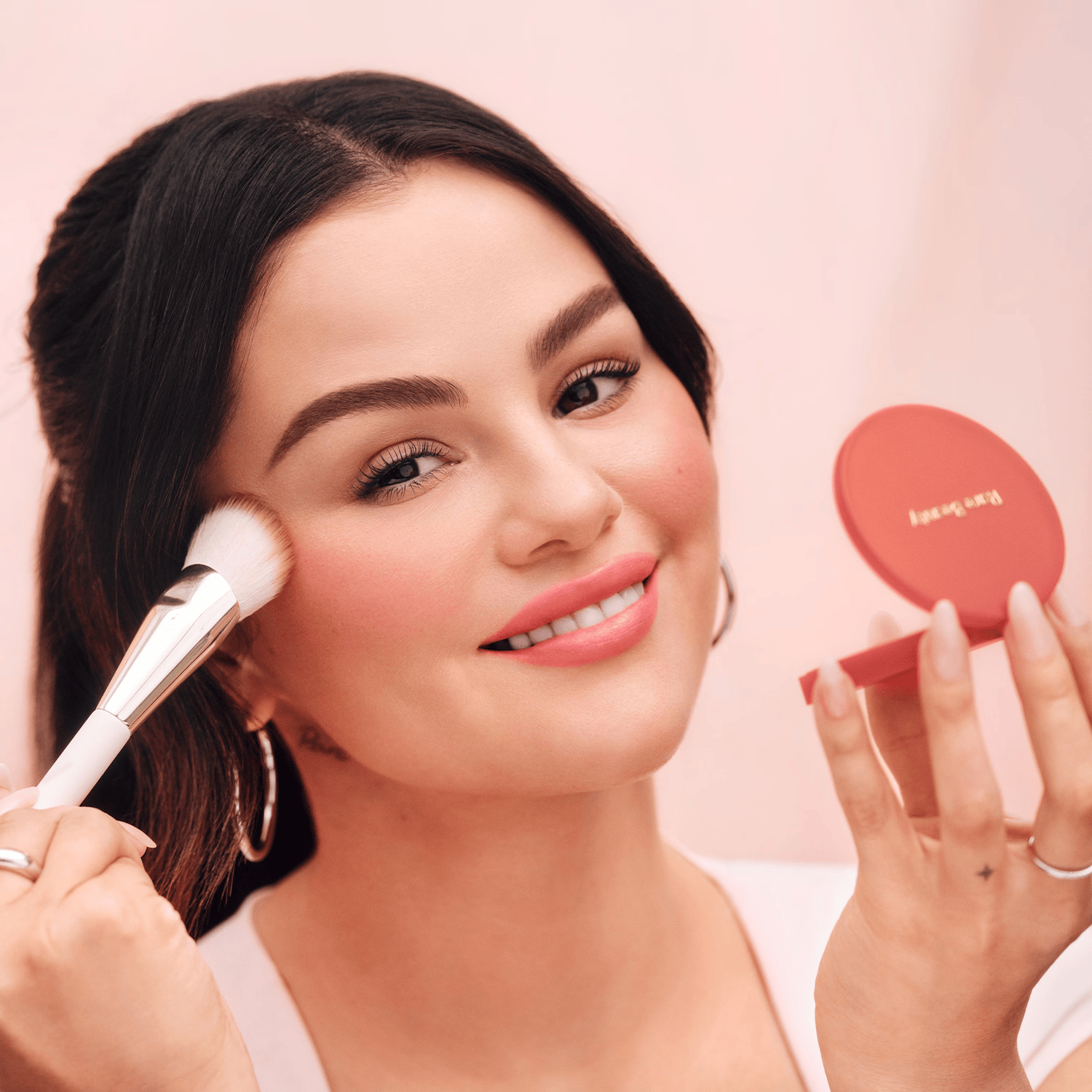
Whatever the format, keep it on the apples of the cheeks and blend upward toward the temple. Blush applied too low drags the face down; applied too far in, it reads like a sunburn.
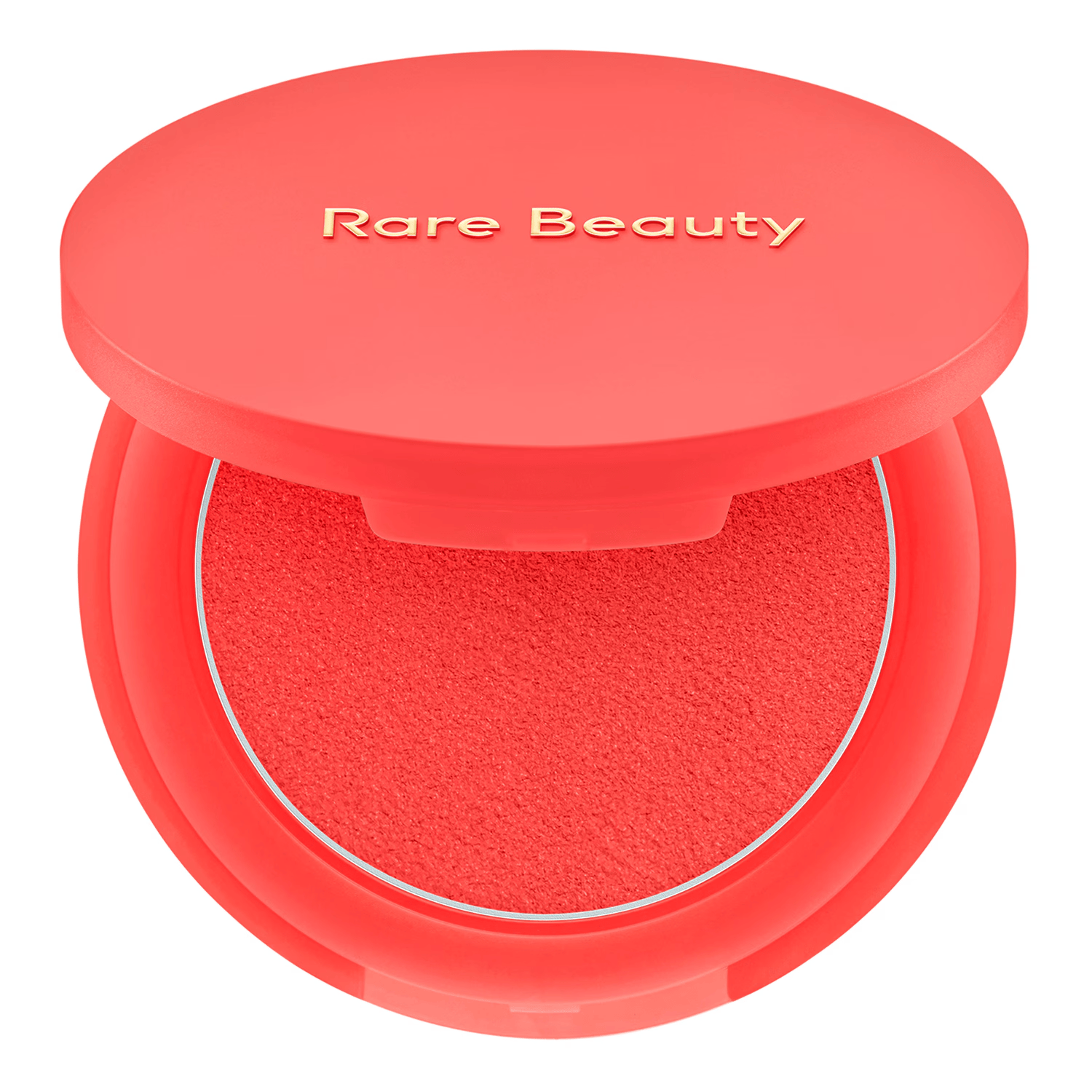
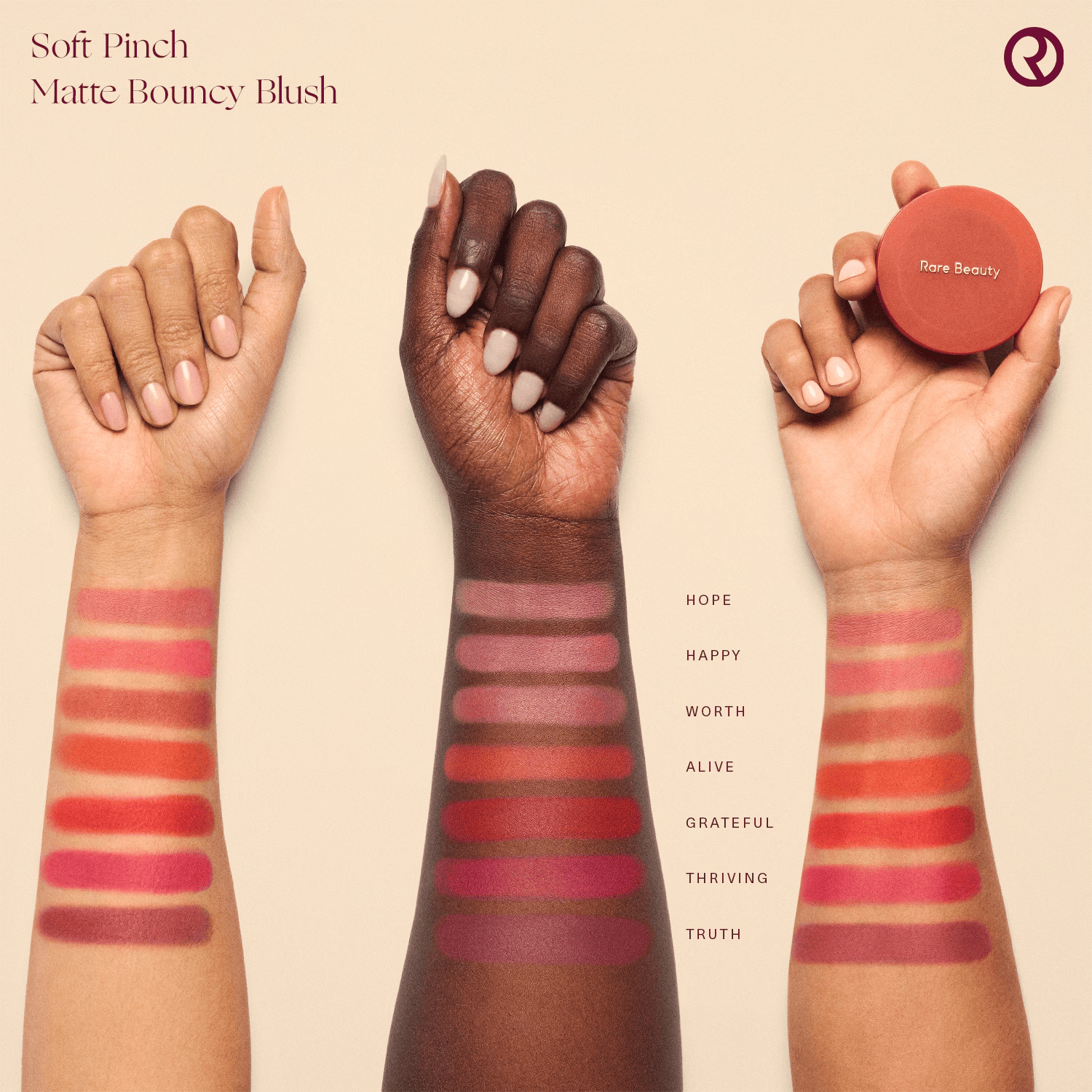
Shop blush at JUVISRAS: All blush · Rare Beauty · Rhode · Hourglass.



Share:
How to Make Lip Tint Last in Hot Weather
How to Make Lip Tint Last in Hot Weather